Breathing Room: Fresh Air at Cow Level
Modern Dairy Barn Ventilation
If you've ever walked into a barn on a hot, still afternoon and felt the air "sit" on your skin, you already understand the core truth of modern barn ventilation: moving air changes everything.
Air movement is more than comfort: it's a productivity tool. The right dairy barn ventilation strategy can help reduce heat stress, support better resting time, improve feed intake, and create a cleaner, more breathable environment for everyone in the building, including the cows.
In this article, we'll break down:
- How proper airflow reduces heat stress and improves cow comfort
- Why fan placement matters as much as fan power
- How automation keeps ventilation consistent (even when you're not there)
- How modern barns can be designed to replace the air in the facility up to once per minute under peak ventilation conditions - helping minimize dust, allergens, and odor
Agro Air Dynamic's barn ventilation solutions are built around these principles: consistent airflow, smart layout, and controls that make ventilation reliable day after day.
Ventilation Drives Production
A cow's comfort is tightly linked to performance. When temperatures and humidity climb, cows don't just "feel warm," their behavior and physiology shift in ways that affect the bottom line. Feed intake often drops, standing time increases, and lying time decreases which can reduce rumination. You'll also see higher respiration rates and more overall stress and metabolic strain. Over time, those changes can influence milk yield, components, and reproduction.
That's why barn ventilation shouldn't be viewed as a "summer-only" concern. The best barn ventilation systems are designed as year-round tools that consistently bring fresh air in, move it through the barn at cow level, and exhaust it efficiently - supporting cow comfort and production in every season
The Goal: Fresh Air at Cow Level
When producers talk about barn ventilation, the real goal isn't "installing fans." It's achieving consistent airspeed where cows live: in stalls, at the feedline, and in holding areas.
Good ventilation should:
- Reduce stagnant zones (dead air)
- Keep air moving across the cow's body surface
- Help dry bedding surfaces
- Lower humidity and airborne contaminants
- Support healthier lungs - for animals and people
The "Once Per Minute" Air Exchange Concept
Modern ventilation designs can be engineered so that, during peak ventilation demand, the building's air volume is replaced up to once per minute (about 60 air changes per hour) depending on layout, inlet/exhaust capacity, and fan selection.
In real life, higher air exchange can mean less lingering heat, less odor buildup, less suspended dust and allergens, and a noticeably "fresher" barn feel when you step inside.
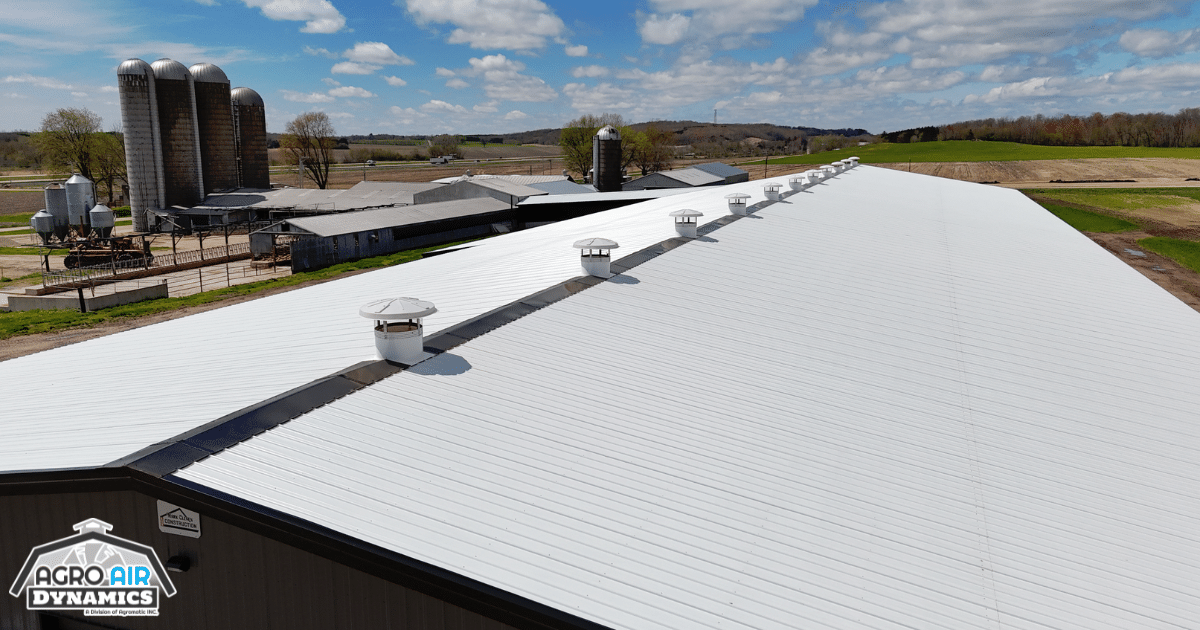
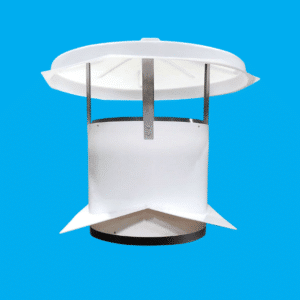
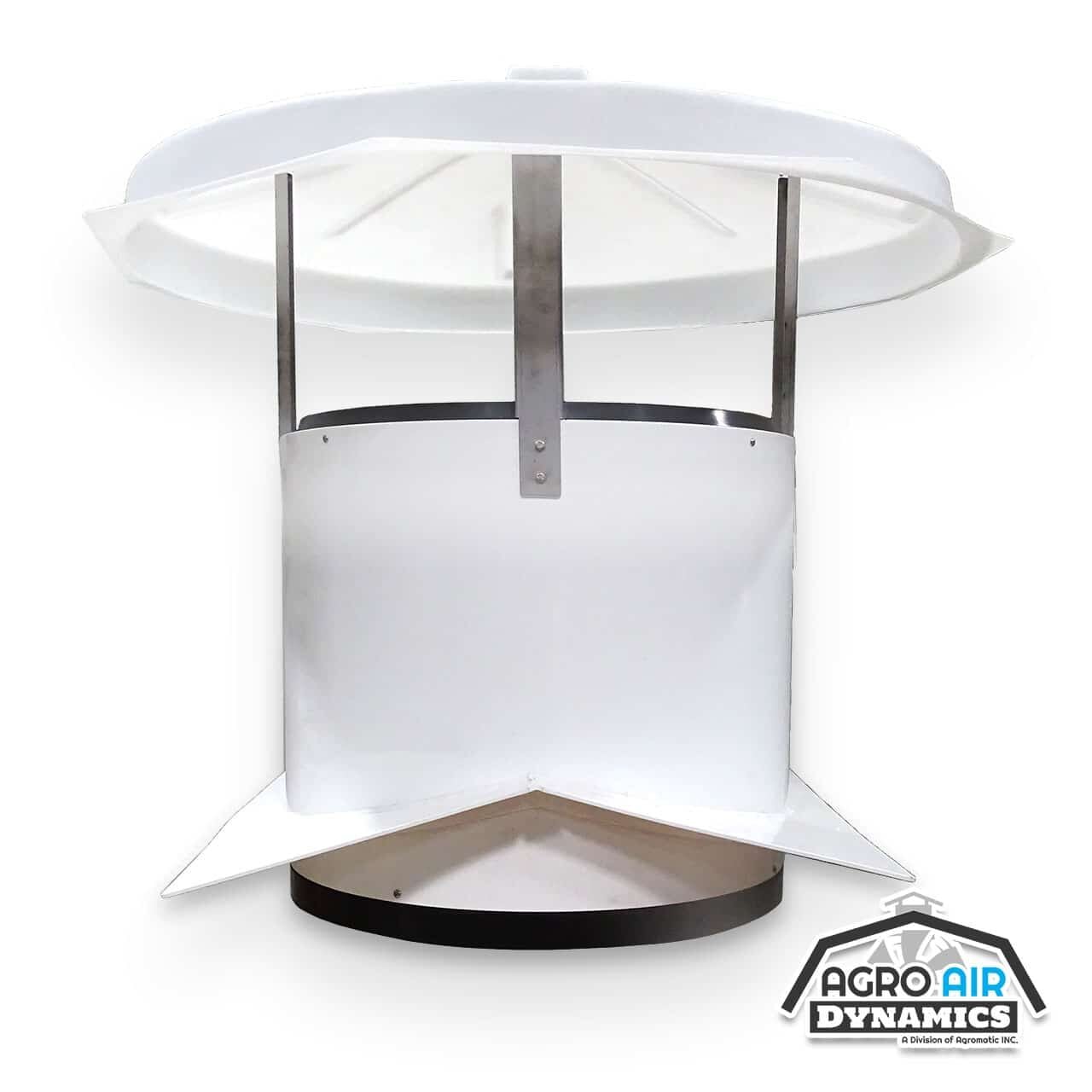
Actual achievable air exchange depends on barn size, opening/inlet design, and system configuration. This is where professional planning pays off - and it's also where year-round outlet/exhaust design becomes important. Roofline venting solutions like the Round Barn Chimney can help barns "breathe" across seasons by supporting consistent natural exhaust of warm, moisture-laden air, especially when paired with a well-planned fresh-air intake strategy.
Fan Placement
A common frustration is investing in ventilation hardware and still getting hot pockets, damp areas, or cows crowding in certain zones. That’s almost always a layout and placement issue.
Effective fan placement helps:
- Create a continuous airflow path instead of isolated "wind spots"
- Prevent fans from fighting each other (turbulence and short-cycling airflow)
- Keep airspeed consistent along the feedline and across stalls
- Target high-impact areas like freestall rows, feed alleys, crossovers, holding pens, and robot/traffic areas
Signs your barn has "dead air" include cows bunching under fans or near doors/openings, condensation in mild weather, dust hanging in the air, strong ammonia odor in specific zones, or wet bedding that won't dry as expected.
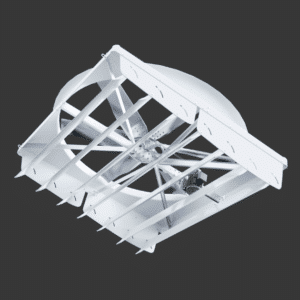
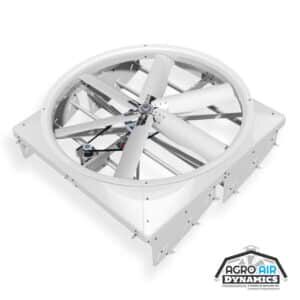
In many barns, solving dead zones isn't only about adding exhaust, it's about improving overall circulation. Recirculation products like Cyclone Fans are a strong option for general air movement, helping even out airflow across pens and alleys and reducing those stubborn stagnant pockets.
Air Movement for Heat Stress Relief
Heat stress isn't only about air temperature. Humidity, radiant heat, stocking density, and airspeed all play a role and the good news is that air speed is one of the most controllable factors.
When air moves across the cow's body, it improves convective and evaporative cooling. In plain terms: more airflow = better cooling. Cows stay more comfortable and maintain intake and daily routine more consistently.
If you want the barn to work with your herd instead of against it, airflow at cow level is the lever to pull.
Tunnel Ventilation: Moving Heat Out Fast
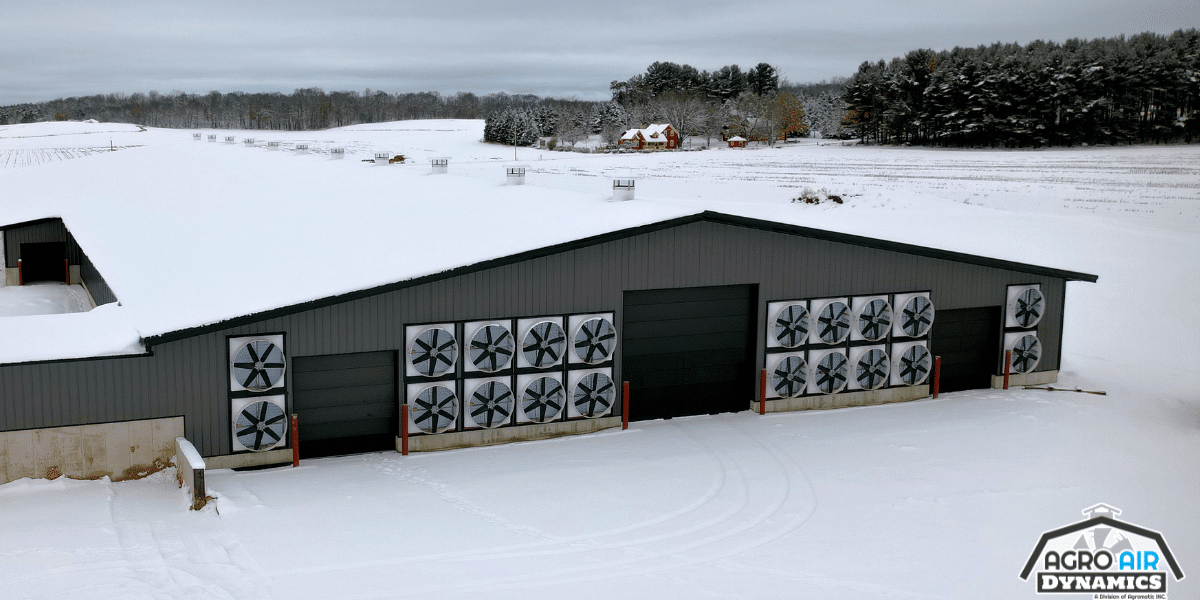
When heat and humidity spike, many modern facilities use tunnel ventilation to create a strong, consistent airflow path through the building. This approach relies on pulling air smoothly from one end to the other - so the exhaust side matters a lot.
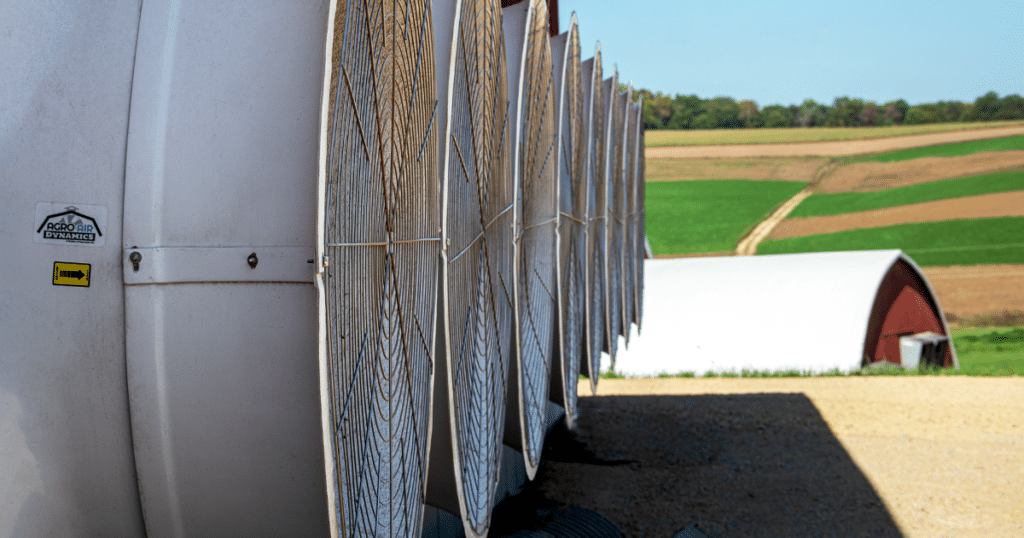
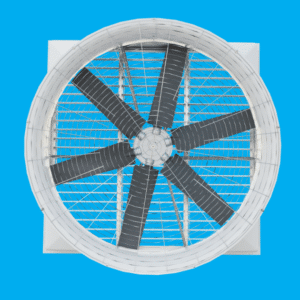
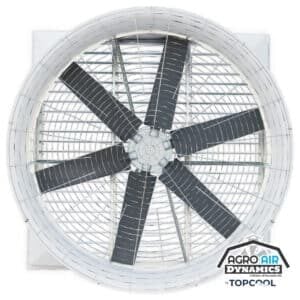
Agro Air Dynamic's Exhaust Fans are designed for the high airflow demands of tunnel ventilation, helping move large volumes of air efficiently to reduce heat buildup and support consistent cow-level cooling. When tunnel systems are designed correctly, they don't just add "wind," they help remove hot, humid, contaminated air quickly so fresh air can continuously replace it.

Automation: Consistent Ventilation Made Easy
Weather doesn't change on a schedule, and neither does heat stress. That's why automation has become one of the most valuable upgrades in modern barn ventilation.
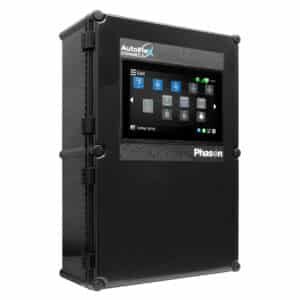
With a controller like the Phason AutoFlex Connect III, ventilation can automatically respond to temperature and barn conditions - adjusting fan stages and outputs so airflow stays consistent without someone constantly flipping switches.
Instead of the barn being "too much" one moment and "not enough" the next, automated control helps maintain steady air movement at cow level. That consistency supports cow comfort, reduces heat stress, and can help avoid wasted energy from running ventilation harder than needed when conditions are mild.
Cleaner Air for Cows and Crew
Ventilation doesn't just move heat out, it moves contaminants out.
As air circulates and exchanges, it helps reduce airborne dust from bedding, feed, and traffic, along with allergens and irritants. It also helps limit lingering odor and ammonia accumulation while removing moisture that contributes to poor air quality and surface dampness.
The result is a barn that feels cleaner and smells better, plus a more comfortable environment for employees working long shifts inside the facility.
Modern Ventilation: What Works
Different barns call for different approaches, but most modern systems lean into a few proven strategies:
- Directional airflow planning: Air should have a clear path (inlet → cow level movement → exhaust). Random airflow is inefficient airflow.
- Staged ventilation: Multiple fan zones and stages let the barn breathe appropriately across spring, summer, fall, and winter, without constant manual intervention.
- Targeted zones: Holding pens, special needs areas, and high-density zones often require more aggressive airflow planning than the rest of the barn.
- Balanced intake and exhaust: Moving air out is only half the job. The barn also needs a reliable way to bring fresh air in, so fans aren’t just recirculating stale air.
Agro Air Dynamics: Ventilation That Works
Agro Air Dynamic's approach is designed around what actually matters in the barn:
- Strong, consistent air movement
- Smart fan placement strategies
- Scalable options for different barn layouts
- Automation-ready control concepts that support consistent comfort
If you're planning a new build, a retrofit, or trying to solve problem areas (hot zones, odor, lingering dust, moisture), the fastest wins often come from a ventilation plan that considers the whole system, not just individual fans.
Explore Agro Air Dynamics ventilation solutions HERE.
Is Your Ventilation Working?
Use this quick list as a reality check:
- Do cows choose stalls evenly, or do they bunch in certain areas?
- Is airflow noticeable at cow level?
- Do holding areas feel significantly hotter or "heavier" than the barn?
- Are there zones with persistent odor or dust haze?
- Do you find damp bedding in the same locations repeatedly?
- Are fans and ventilation stages matched to real seasonal conditions?
If you answered "yes" to these problem signals, a ventilation audit or redesign is often a high-ROI move, because comfort impacts production every day.
FAQ
Q: How much air exchange should a dairy barn have?
A: It depends on barn design and season. Under peak ventilation conditions, modern systems can be engineered for very high exchange rates, up to once per minute in some designs, when inlet/exhaust and fan capacity are properly matched.
Q: Does fan placement really matter that much?
A: Yes. Fan placement determines whether airflow is continuous and useful at cow level or fragmented and uneven. Poor placement can create dead zones, turbulence, and wasted energy.
Q: Can ventilation reduce dust and odor?
A: Absolutely. Strong airflow and effective air exchange help remove airborne dust, moisture, and odor-causing gases (like ammonia), improving barn hygiene and breathing comfort for both cows and people.
Q: Is automation worth it for barn ventilation?
A: If your weather changes quickly or you want consistent conditions without manual adjustment, automation is one of the best upgrades you can make. It helps keep ventilation aligned with real-time needs.
Ready to improve cow comfort and barn air quality?
Agro Air Dynamics can help you plan airflow, optimize fan placement, and build a ventilation strategy designed for your facility and herd goals.
Take Action Now!
Our Recommendations
Top Barn Ventilation Products
Agro Air Exclusive!
Recirculating Fan
Optimal Air Exchange
Next Generation Controller