Feeding Systems for Dairy Cows
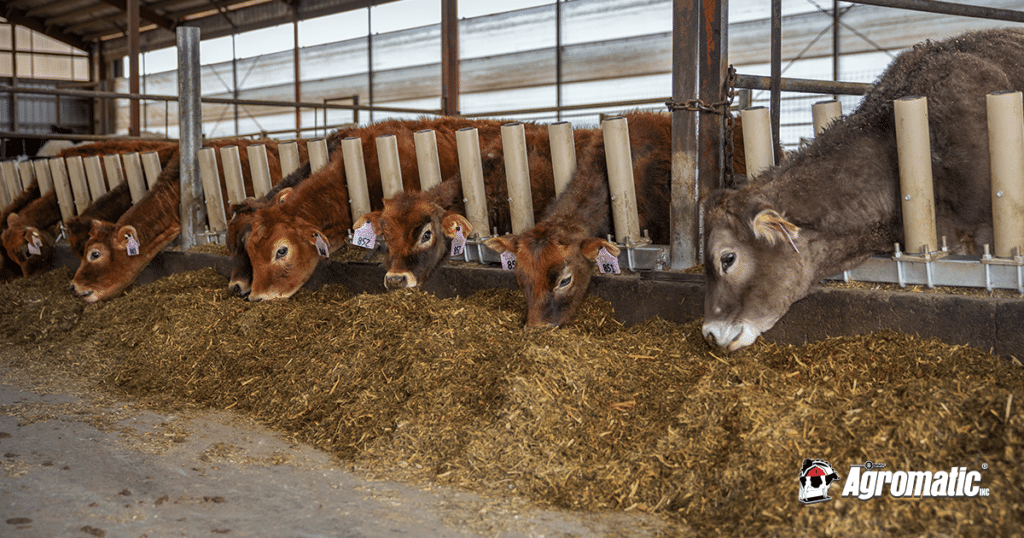
Improve Bunk Access with FreeFEED
The best feeding systems for dairy cows aren't just about ration quality or delivery timing. They also depend on how comfortably cows can access feed, especially during peak demand right after delivery. In many barns, that starts with feed rail design.
If you're evaluating upgrades to your feed rail or searching for a more cow-friendly alternative to full-line headlocks, FreeFEED is a natural feeding solution built to improve everyday access at the rail.
Why Feed Rail Design Matters in Feeding Systems for Dairy Cows
In every dairy feed alley, there’s a predictable pattern after feed delivery: feed alley cows line up fast. The boss cow takes the preferred space first, and timid cows often get pushed out, reposition repeatedly, or delay eating.
When the rail creates unnecessary restriction, the result is often more shuffling and less steady feeding time. That’s why modern feeding systems for dairy cows focus on getting the feed rail right:
- Support natural posture at the bunk
- Reduce abrasive neck/shoulder contact
- Encourage steadier feeding during peak competition
- Improve flow and positioning for cows of different social rank
FreeFEED is designed around this reality: helping the rail work with the cow instead of against her.
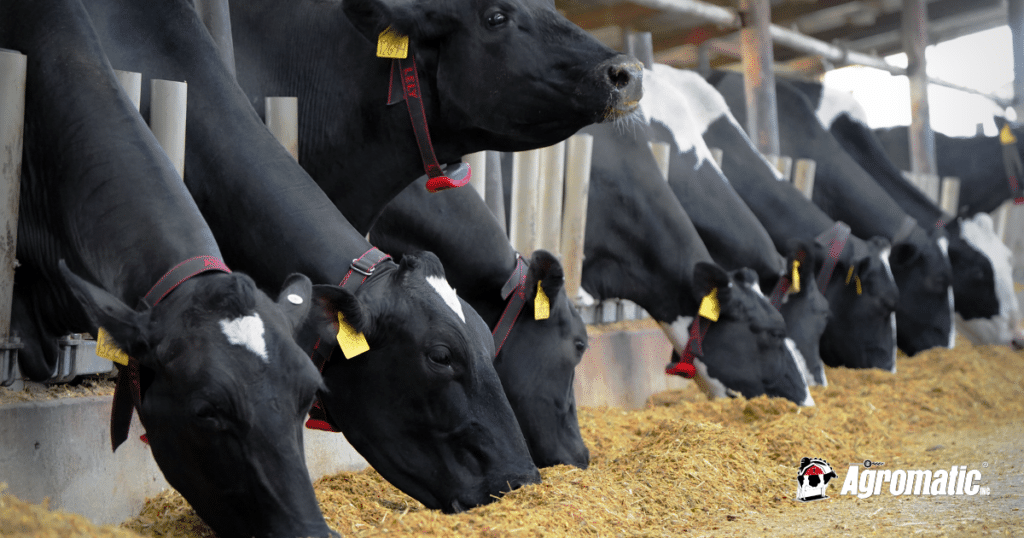
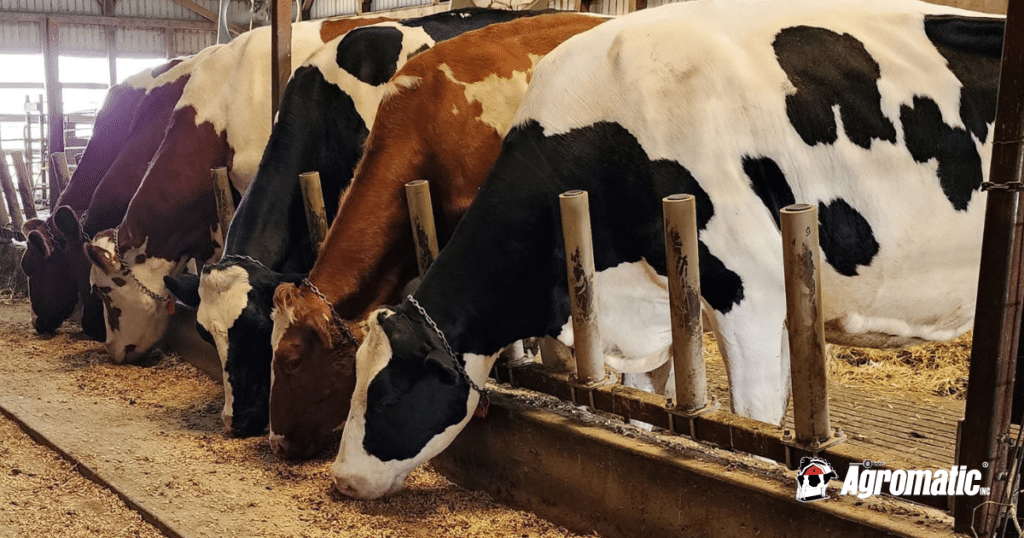
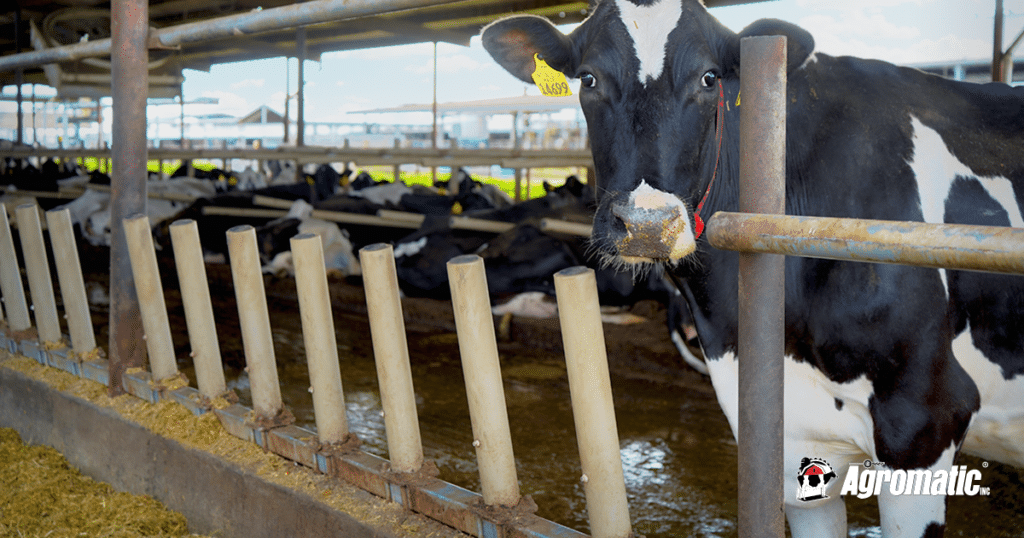
FreeFEED: A Feed Rail Solution Built for Real Barn Conditions
FreeFEED is a cow-comfort-centered feed access system that fits into many cattle feeding systems. It complements nearly any livestock feeding system by improving how cows approach, position, and stay at the feedline for more consistent bunk access.
As part of a practical feeding system for cattle, FreeFEED focuses on:
- More natural access at the feedrail
- Calmer interaction at the rail during push-ups and fresh feed
- Consistent access across dominant and timid cows
- A rail setup that supports daily feeding comfort
If you're comparing a new cattle feed system approach, the rail is one of the highest-leverage upgrades you can make, because it affects feeding behavior every day.
Choosing Feed Rail Products: What to Compare Before You Buy
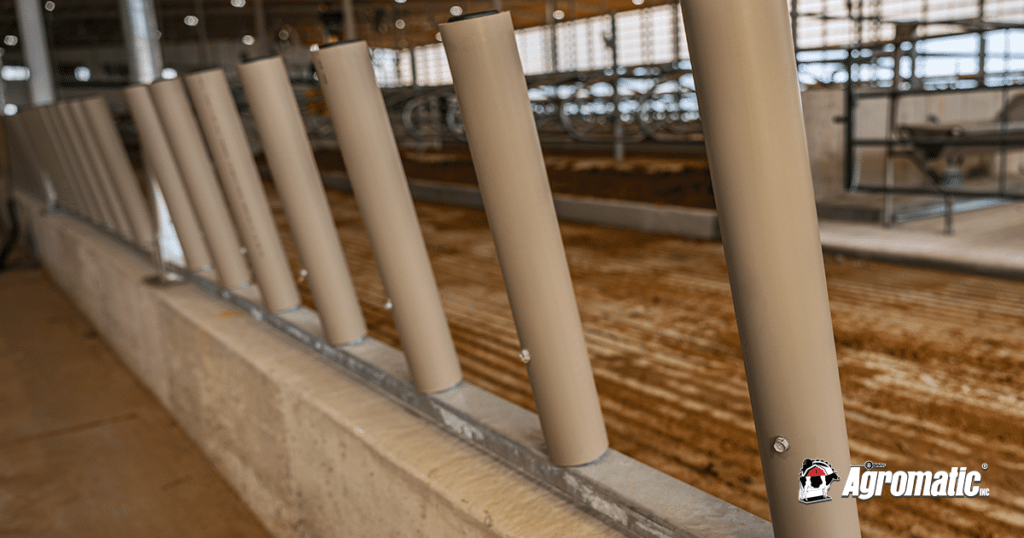
There are many feed rail products on the market. When comparing feed rails for cattle, what matters is how the rail geometry supports positioning, reach, and cow flow.
A few common evaluation points include:
- Feed rail height relative to curb/bunk and cow size
- Rail shape/geometry
- How cows enter/exit the line during peak pressure
- Installation and retrofit requirements
- Long-term serviceability and feed rail parts availability
Agromatic can walk you through FreeFEED fit considerations and help you compare it to other cattle feed systems options based on your barn’s layout.

Replacing Headlocks? Keep Lock-Up Where It Works Best
Many barns rely on headlocks for two functions:
- Feeding access
- Restraint for herd work
More farms are separating those jobs:
- Build daily feeding around comfort and access
- Keep lock-up capability in strategic areas designed for handling
This is where FreeFEED often fits best: it supports everyday feeding comfort at the primary feedline, while you keep restraint where it supports workflow.
Feed Rails for Dairy Calves: One Adjustable System from Calves to Cows
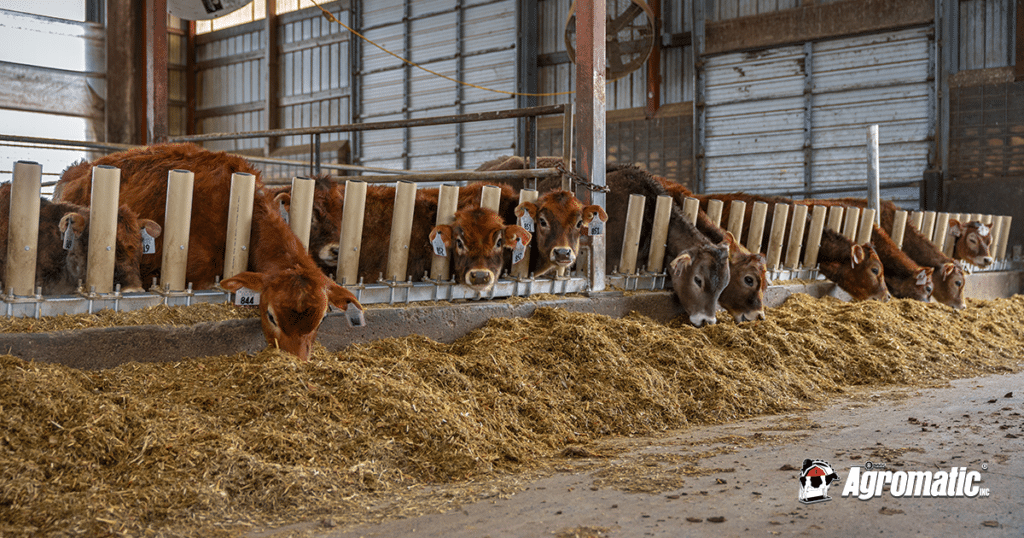
Calves and youngstock need rail settings that match their smaller size so they can reach feed comfortably and eat without crowding or awkward posture. The advantage of FreeFEED is flexibility: it's adjustable and can be configured for a wide range of animal sizes, making it a practical option for feed rails for dairy calves and for mature cows using the same core feedrail concept.
If you're planning separate areas for different size animals, Agromatic can help you set up FreeFEED for each group with the right layout and adjustment so your feeding system stays consistent across the barn while still fitting the animals in each pen.
Why Bunk Access Can Influence Cow Daily Feed Intake
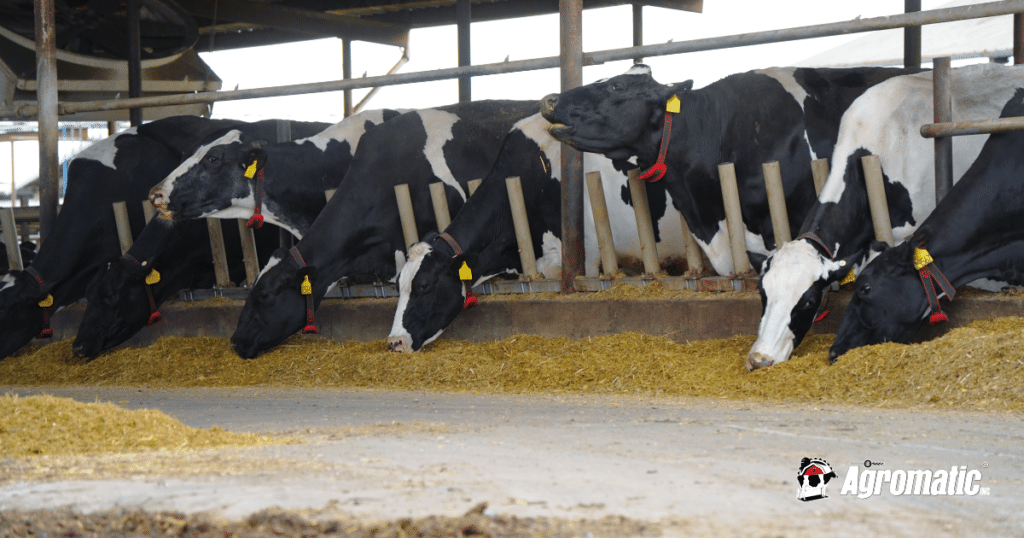
Even with strong ration work, cows still need steady access to eat. If the boss cow pressure causes repeated displacement, timid cows may eat less consistently, spend more time repositioning, or avoid peak feeding windows.
Many dairies watch trends in cow daily feed intake (and behavior at the bunk) because consistency matters for performance and stability within the group. Strong feeding systems for dairy cows reduce avoidable disruptions so more cows can eat calmly during the times that matter most.
Summary: Feeding Systems for Dairy Cows Start at the Feed Rail
If you're improving feeding systems for dairy cows, start at the point of daily interaction: the feed rail. Better feed rail design, correct feed rail height, and the right rail solution can improve cow flow in the dairy feed alley, reduce displacements driven by the cow boss, and support steadier feeding behavior.
FreeFEED is a proven direction for farms that want a cow-friendly rail approach as part of a modern feeding system for cattle.

FAQ
Q: Do I have to remove all headlocks to install FreeFEED?
A: No. Many dairies use a hybrid approach: FreeFEED along the main feedline for everyday access and comfort, while keeping headlocks in a short lock-up section or dedicated handling area for routine herd work.
Q: Will cows still compete at the feed bunk without headlocks?
A: Yes, herd hierarchy doesn't go away. The goal is to reduce "hardware-driven" friction so cows can feed with fewer unnecessary interruptions and less abrasive contact at the rail.
Q: How do we handle herd checks, breeding, and treatments if we transition away from headlocks?
A: Plan restraint intentionally. Common solutions include a designated lock-up section, a treatment area, maternity/sick pen lock-up, or a separate handling system that fits your protocols and labor routine.
Q: What management practices matter most after replacing headlocks?
A: The basics still drive results: adequate linear feed space, consistent feed availability, and timely feed push-ups.
Q: How can I tell if a headlock alternative is improving cow comfort at the feed bunk?
A: Start with simple, repeatable checks: displacements after feed delivery, neck/shoulder rub marks or hair loss, bunk attendance at peak times, and whether cows show steadier, calmer feeding behavior.
Q: Will switching from headlocks change intake or production?
A: It can, positively or negatively, depending on the full system. The most reliable improvements come when a cow-friendly rail is paired with strong feed bunk management and adequate space. Track behavior first, then watch production and components for trends.
Q: Where should I keep lock-up if I still need it?
A: Most farms place it where it supports workflow without affecting the entire pen - like a short lock-up section, near a treatment area, or in a dedicated handling/maternity setup. The best location depends on cow flow and how often cows are locked.