The Hidden Cost of Hard Floor


Certified Quality From Germany!
How Traction and Impact Quietly Drain Herd Performance
Hard, slick walking surfaces can increase stress on hooves and joints, reduce natural cow movement and resting time, and quietly erode milk yield. Targeted traction and comfort upgrades in high-traffic zones, especially around the parlor and returns, can improve cow flow, reduce slip risk and support better hoof health. Rubber flooring can be evaluated like any other facility investment: by focusing on the highest-impact areas first and tracking measurable outcomes.
Walk your barn like a cow does. Not as a person in boots who can catch yourself when you slip, but as a 1,400-pound athlete on four relatively small “tires,” carrying a full udder, turning tight corners, navigating wet spots and moving multiple times per day to eat, drink and milk.
Concrete is durable, familiar and easy to wash. But when it’s slick, abrasive or simply too unforgiving, the cost rarely appears as one obvious line item. Instead, it stacks quietly: a little less confident stride, a little more hesitation at corners, more time standing after milking, and more micro-trauma in hooves and joints. Over time, those “little” changes can become measurable losses in milk, health and longevity.
Why Hard Floors Create A Performance Problem
Concrete isn’t automatically "bad." The risk comes from the combination of hardness + moisture + traffic + turning - especially in parlor environments and return alleys.
When traction is questionable, cows change how they move:
- Shorter stride length
- Slower walking speed
- More time standing “thinking” at transitions (holding areas, parlor entry)
- Wider stance and cautious turning
- Less willingness to mount (behavior changes can affect heat expression)
That altered movement isn’t just a handling inconvenience. It has biological and economic consequences.
- More standing time and less resting time. Cows that don’t feel confident walking often “park” themselves. Add sore feet or fear of slipping, and cows may spend more time standing - especially after milking or when returning to stalls. Less lying time can mean less rumination and more stress on feet and legs, which can ripple into intake consistency and performance.
- More Cumulative Impact To hooves and joints. Hard surfaces increase concussion on every step. Over long days and long lactations, that repetitive impact contributes to joint stress and hoof horn wear patterns that can elevate lameness risk. Even before a cow is visibly lame, she may compensate by shifting weight, changing stride and limiting movement - weeks before anyone records a clinical event.
- Slips, near-slips and “silent fear."A fall is obvious. Near-slips are not - and they happen far more often. Every skid at a corner or scramble in a holding area teaches cows to move cautiously. That caution shows up as slower cow flow, bunching, more handling pressure and a higher stress load.
The Milk Connection: How Feet And Footing Show Up In The Tank
Milk losses from lameness are well-known, but flooring-related losses don’t always wait for obvious lameness. Even moderate discomfort can affect:
- Bunk visits and meal patterns (less time eating, fewer visits)
- Time budgets (standing vs.lying)
- Cow flow (delays that reduce stall time, increase holding time)
- Breeding Efficiency (slipping risk changes natural behavior)
When cows feel secure, they move with purpose: to the bunk, to water, to stalls, through the parlor. That supports steadier intake, better time budgets and smoother routines.
Think In “Zones,” Not Square Footage
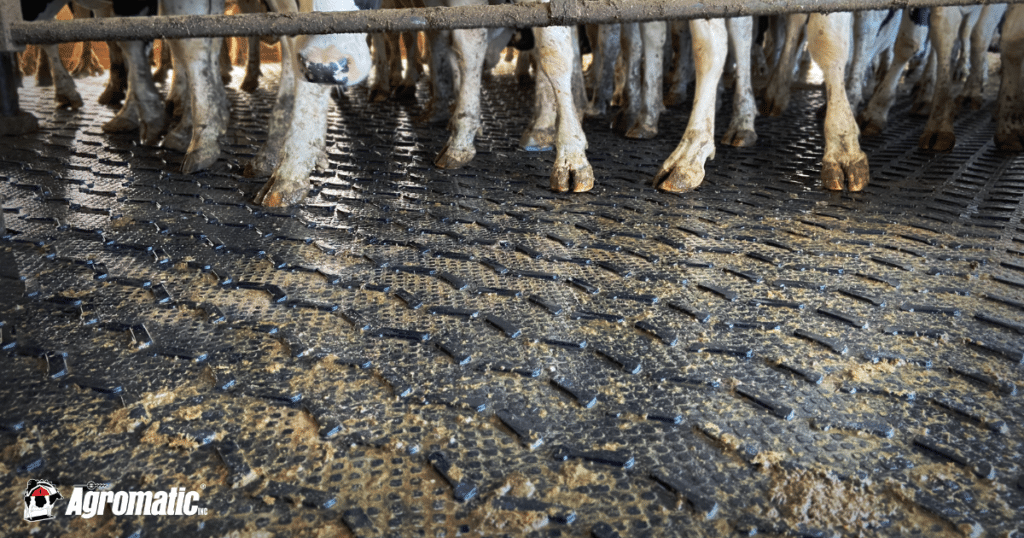
The economics of flooring upgrades are usually strongest when you focus on the areas where traffic, moisture and turning intersect. If you’re prioritizing improvements, start where cows experience the most risk and repetition.
High-impact zones to assess first:
- Holding areas - prolonged standing, wet conditions, frequent crowding
- Parlor entry/exit - turning, speed changes, bottlenecks
- Return alleys - cows move quickly, often damp
- Crossovers and waterers - congestion and splash zones
- High-traffic corners - the “test points” where cows slip first
A simple walk-through tip: identify where cows hesitate, bunch, shorten stride or “tip-toe.” Those are often the same places where performance is quietly leaking.
Rubber Flooring As An Investment:
What "Payback" Really Looks Like
It’s tempting to judge rubber flooring by the invoice alone. A better comparison is cost versus the ongoing losses you’re already paying for - just less visibly.
Returns can show up as:
- Fewer lameness cases and treatments (and fewer chronic cows)
- Better cow flow (less time in holding, fewer delays, lower stress)
- Improved lying time and rumination consistency
- Better reproductive performance (more natural behavior, better footing confidence)
- Longer productive life (fewer early exits due to feet/leg issues)
Even small gains matter when multiplied across the herd and across days.
Matching Solutions To The Highest-Risk Areas
Not all rubber is designed for the same job. The best results come from matching the product type to the zone’s primary stressor - standing comfort, wet traction, turning, or heavy traffic.
Below are three rubber flooring approaches Agromatic provides through KRAIBURG that are commonly used to address hard, slippery areas - especially around milking routines and high-traffic lanes:
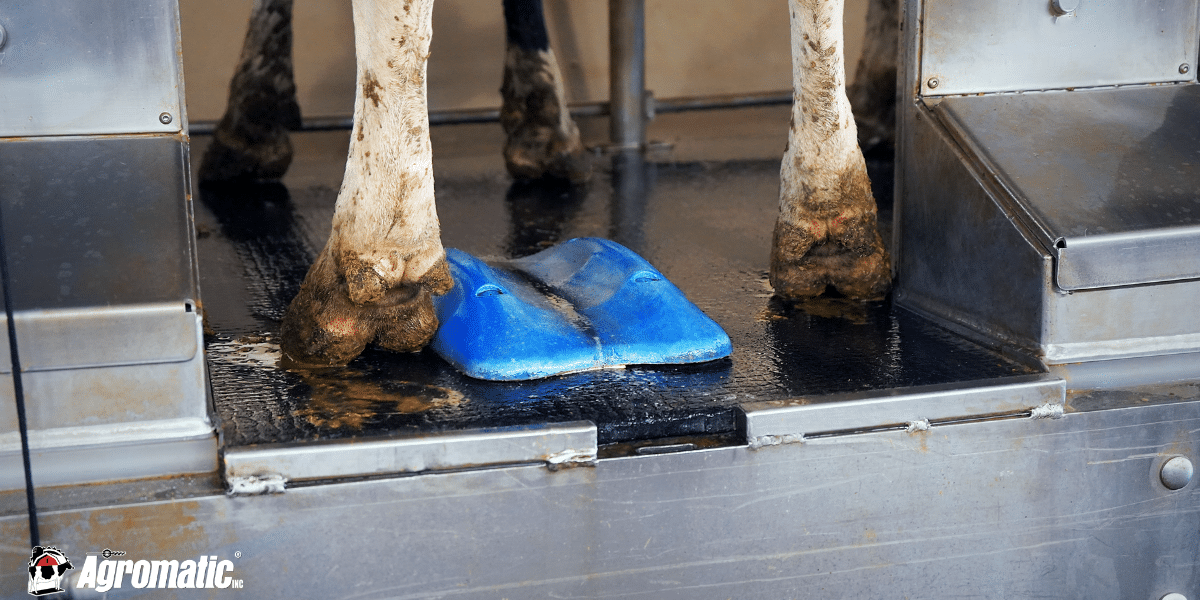
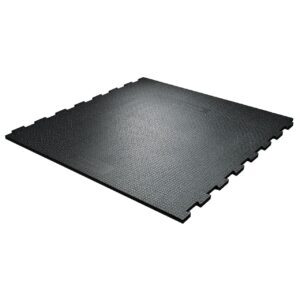
KURA: focus on standing comfort + sure footing in the parlor
Parlor environments concentrate multiple risk factors: moisture, turning, and prolonged standing during milking. Mats designed for milking areas are typically selected to improve traction when wet and reduce fatigue from standing on hard concrete. In practice, parlor-specific rubber can help cows load and unload with more confidence and may reduce the “post-milking linger” that eats into stall time.
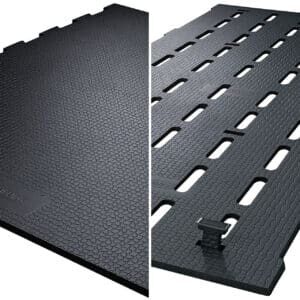
Cirrus: focus on coverage, stability and cow flow in alleys/returns
Interlocking systems are often used where you want broader coverage and a stable surface in traffic lanes. Return alleys and connecting routes are common candidates because cows tend to move more quickly there, and small slips can create big behavioral changes. Interlocking designs can also simplify retrofits by allowing targeted installation without rebuilding the slab.
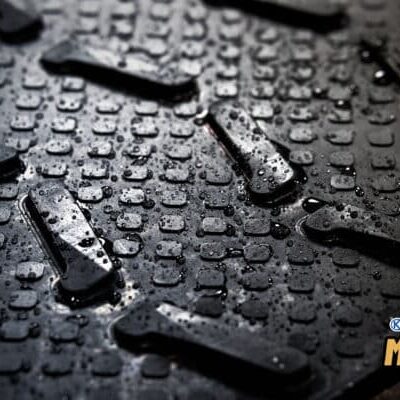
MONTA: focus on grip in high-slip hotspots
Some barns have specific “problem points” - a corner, crossover, parlor exit, or a damp stretch near water. Traction-focused mats are often used strategically in those hotspots to reduce slipping where it starts. That can be a cost-effective way to address the highest-risk areas first and build a measurable case for expanding improvements later.
What To Look For When Evaluating Rubber Flooring
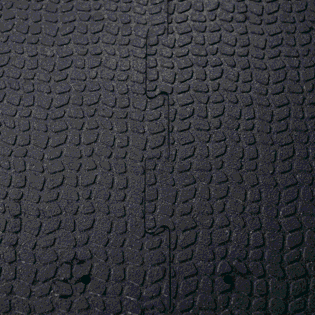
The goal isn’t softness for softness’ sake. The best walking and standing surfaces balance:
- Traction (especially when wet)
- Shock absorption (reduced concussion)
- Cow confidence (natural, forward movement)
- Durability and cleanability (real barn conditions)
- Fit to the zone (parlor needs differ from alley needs)
Producers often notice behavior changes first: cows walk more naturally, take corners with less hesitation, and move through parlor transitions with fewer stalls and less bunching.
A Quick Checklist To Quantify The “Hidden Cost”
If you want to move from “it seems fine” to “we have a real opportunity,” capture a baseline before you change anything:
- Slip/near-slip count: Watch 50 cows pass through a suspect corner. How many skid, stutter-step or scramble?
- Hesitation points: Where do cows consistently pause or bunch?
- Cow flow time: Track time from pen to parlor and back, especially on wet days.
- Standing time: Do cows linger in alleys after milking rather than lying down?
- Hoof health patterns: Look for recurring lesions linked to routes or pens.
This isn’t about blaming concrete. It’s about identifying where traction and impact are limiting the cows’ ability to do what they’re built to do.
The Bottom Line
Hard floors rarely announce themselves as the problem. They whisper through cautious steps, longer standing time, more hoof stress, slower cow flow, and a gradual drag on performance.
When cows have secure footing and reduced impact in the places that matter most, they move more, rest better and handle the daily routine with less stress. That’s not a “nice-to-have.” It’s an operational lever that can protect milk, hoof health, labor efficiency and longevity - and the right rubber flooring, applied strategically, can be a practical way to pull that lever.
If you’re seeing hesitation at parlor entry, slips on returns or more standing time than you’d like, it may be time to take a closer look at footing.
Don’t let hard floors quietly cost you - get KRAIBURG rubber!
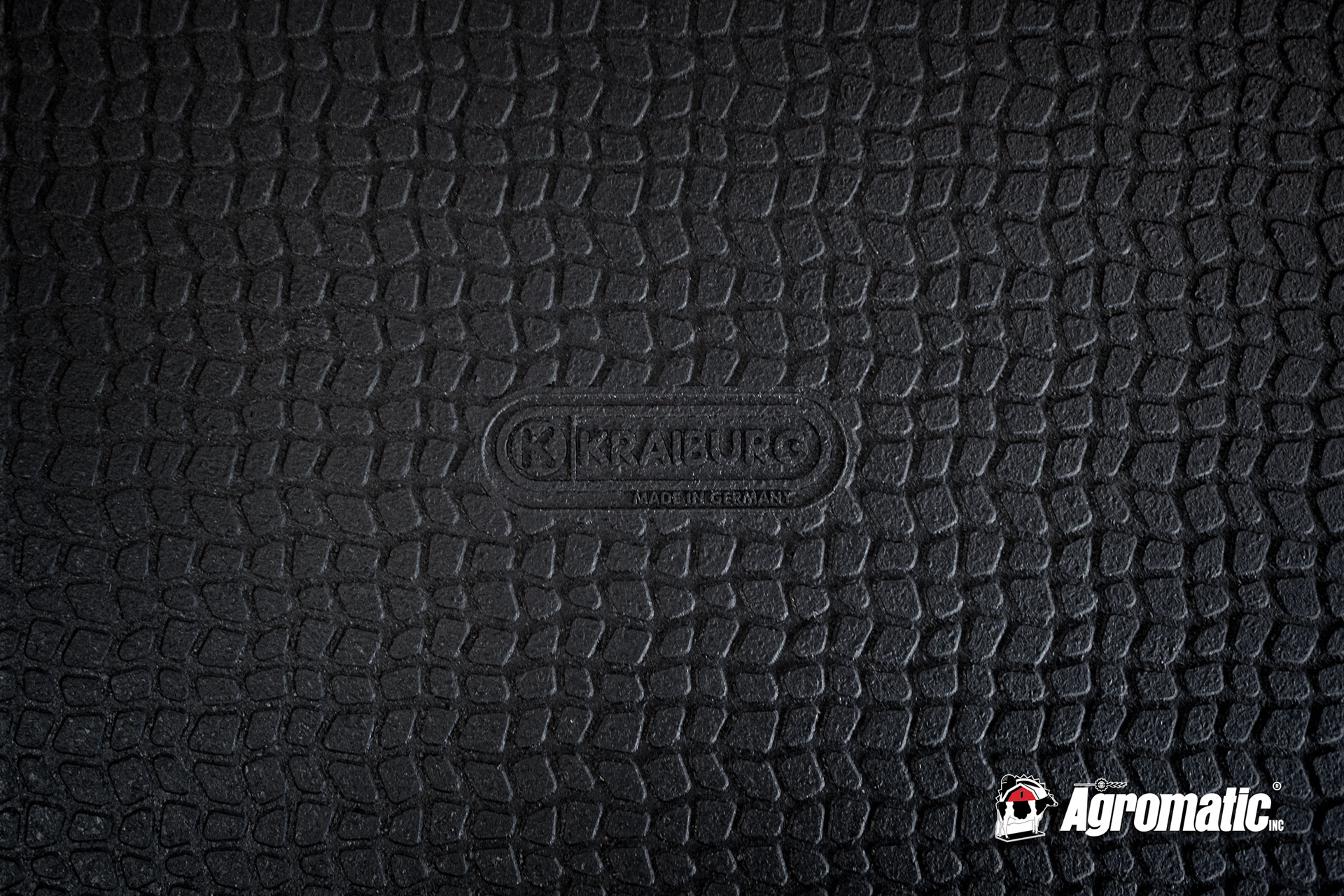
The rubber flooring specialists at Agromatic can help you evaluate high-risk zones, match the right KRAIBURG solution to each area, and build a practical, phased plan that fits your barn and budget. To talk through your facility and get recommendations tailored to your traffic patterns and problem spots, contact Agromatic’s rubber experts using our Get A Quote form below!
Take Action Now!
Our KRAIBURG Recommendations
Cow Mats For Sale
Milking Parlor Mats
Interlocking Floor Mats
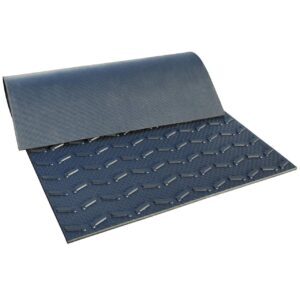
Cattle Traction Mat