250 Years of America, 128 Years of Agromatic

Looking Back on The History of Dairy Farming in America

Photo by Russell Lee, 1939. Courtesy of The Miriam and Ira D. Wallach Division of Art, Prints and Photographs: Photography Collection, The New York Public Library Digital Collections. Public domain.
This Fourth of July, the United States marks 250 years of independence. That milestone is a good reason to look back not only at how much our country has changed, but at how much agriculture and dairy farming have changed right along with it.
In the earliest days of American dairy, milk was a local product by necessity. Many families kept a cow or a small herd to provide milk, cream, butter, and cheese for their own household or nearby neighbors. Fresh milk could not travel far. Without modern refrigeration, stainless steel storage, pasteurization, bulk tanks, refrigerated trucks, or sealed packaging, milk had to be used quickly. A warm day, an unclean container, or a long trip to town could turn a valuable product into a spoiled one.
As towns and cities grew, the dairy industry had to find better ways to keep milk safe and available. That helped create the familiar era of the milkman. Home delivery made sense when families relied on iceboxes and glass bottles. The milkman connected farms, processors, and families at a time when freshness was one of the biggest challenges in dairy.
Over time, that system changed. Refrigerators became common in homes. Roads, trucks, processing plants, packaging, sanitation, and testing all improved. Milk no longer had to arrive on the porch every morning. Instead, families began finding it in the grocery store dairy case, along with cheese, butter, yogurt, cottage cheese, ice cream, and many other dairy products.
The farm changed just as much as the marketplace. Hand milking gave way to milking machines. Milk cans gave way to bulk tanks. Small stanchion barns gave way to parlors, freestall barns, better ventilation, improved bedding, rubber flooring, manure systems, feed management, and now robotic milking and data-driven herd management.
Through all that change, one thing has stayed the same: dairy farming still depends on people who understand cows. Technology has changed the tools, but it has not replaced good stockmanship, good facilities, and good daily management.
Agromatic’s Story Begins
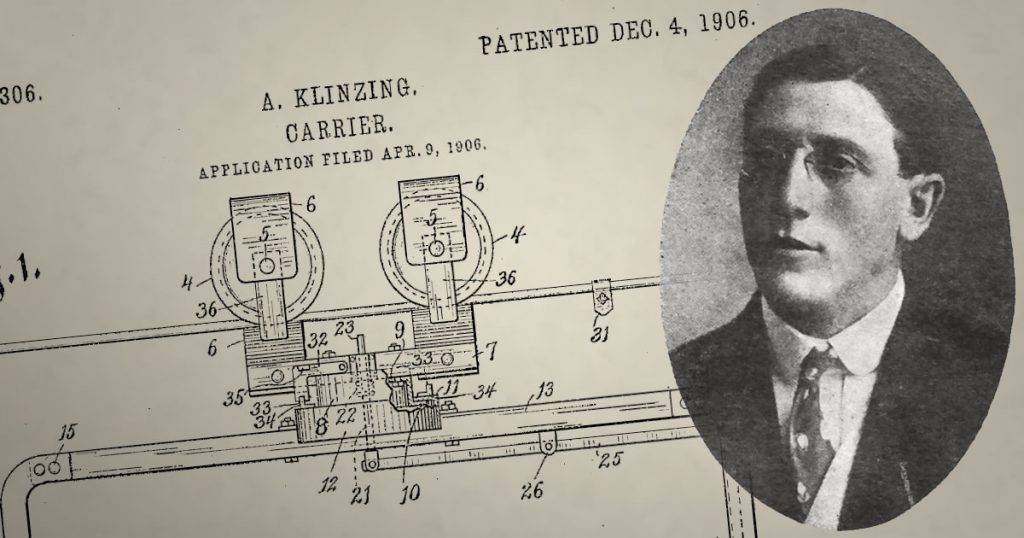
Agromatic’s roots go back to 1898, when August F. Klinzing founded Klinzing Manufacturing in St. Cloud, Wisconsin. Klinzing was an early barn equipment innovator and inventor who earned more than 15 patents for products such as manure carriers, stanchions, cow drinking cups, and barn cleaners.
That beginning matters. From the start, the company was focused on solving real problems inside the barn. Long before today’s modern dairy barn equipment, freestall barns, robotic systems, and ventilation controls, dairy farmers needed equipment that made chores more efficient, barns more functional, and animals easier to care for. That practical, problem-solving mindset still runs through Agromatic today.
Evolving With the Dairy Industry
Agromatic history is not just a timeline. It is a reminder that Agromatic has seen dairy farming move from smaller local operations to today’s highly managed, high-producing barns. The company has watched the industry shift from basic barn equipment to advanced systems designed around cow flow, cow comfort products, dairy barn ventilation, labor efficiency, and long-term durability.
For more on Agromatic's full history click here.
Looking Forward
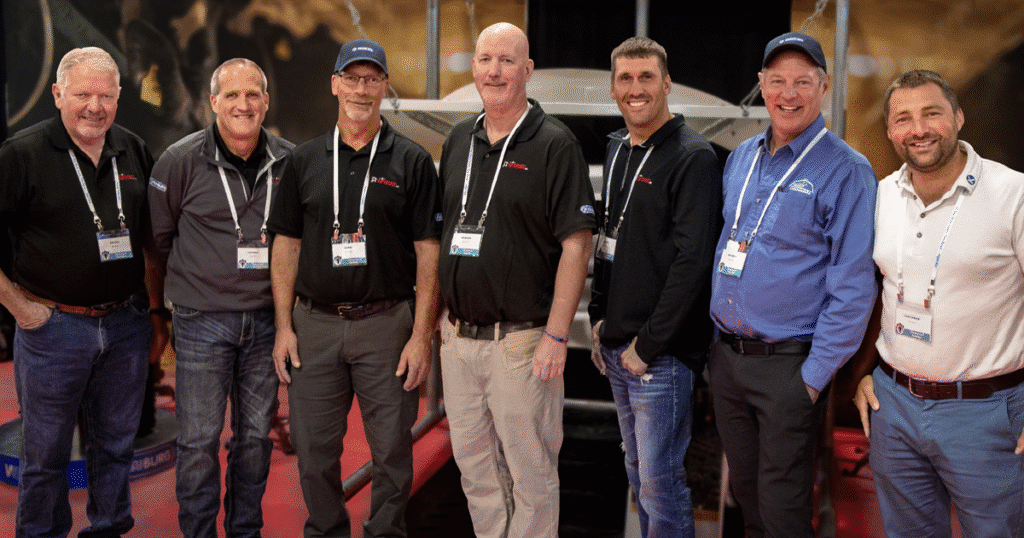
That is where Agromatic’s history still points forward.
For more than 125 years, Agromatic has served dairy producers by focusing on the details that matter inside the barn. Rubber flooring. Stall design. Ventilation. Cow brushes. Feeding solutions. Holding areas. Barn layouts. These are not small details to the producer who knows that every step, every breath of fresh air, every comfortable resting space, and every labor-saving improvement can affect herd performance.
As America celebrates 250 years of independence, Agromatic is proud to celebrate its own place in the long story of American dairy. From the family cow and porch milk delivery to today’s advanced dairy operations, the industry has never stopped adapting. Neither has Agromatic.
The tools have changed. The barns have changed. The cows have changed. But the goal remains familiar: helping dairy producers build better environments for healthier, more comfortable, more productive cows.
Happy Fourth of July from all of us at Agromatic!
