
Rubber Flooring for Dairy Barns: 5 Areas That Matter Most

Choosing the right rubber flooring for high-impact areas of a dairy barn can improve cow comfort, traction, and daily movement. From holding pens to freestalls and maternity areas, Agromatic offers KRAIBURG rubber mats and DairyGrip floor belting designed for different applications. Proper cleaning and maintenance help keep these surfaces performing as intended.
Every decision in a dairy barn can influence cow comfort and long-term profitability. Ventilation, feeding systems, and freestall design all matter, but what cows stand and walk on every day deserves just as much attention.
Concrete is durable, but it isn't always the most comfortable surface for cattle. In crowded holding areas, busy feed alleys, and sharp turns, poor footing can contribute to hesitation, slipping, and additional stress on hooves and joints.
That's where rubber flooring for dairy barns can make a meaningful difference.
At Agromatic Inc., we offer KRAIBURG rubber flooring and cattle mats along with DairyGrip Rubber Floor Belting to help producers address the different demands throughout their facilities.
The key is knowing where rubber will deliver the most practical value. Here are five areas to consider when planning new dairy barn flooring or upgrading existing concrete surfaces.
1. Holding Pens and Parlor Entry/Exit: Comfort Where Standing Time Adds Up
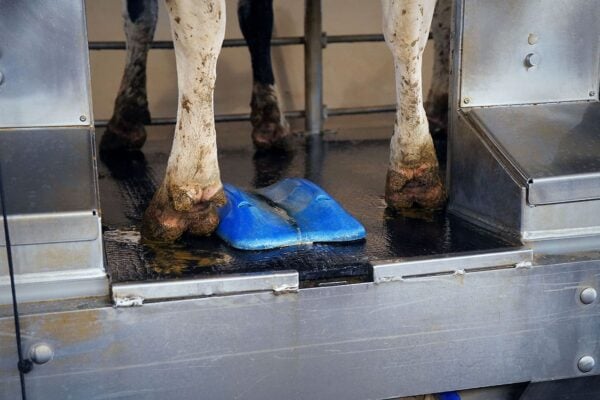
Holding pens and milking parlor entrances are among the busiest areas of a dairy operation. Cows frequently stand for extended periods, move in groups, and navigate surfaces exposed to manure, moisture, and repeated traffic.
Hard or slippery flooring can make an already demanding environment more difficult for the herd.
Installing quality rubber flooring in these locations provides a more forgiving standing surface while helping cows maintain secure footing as they enter and leave the parlor.
Agromatic Flooring Solutions:
KRAIBURG KURA rubber mats are designed for high-traffic dairy barn applications, including holding areas, alleys, and milking parlors. Their interlocking design and textured surface provide cushioning and traction for cattle moving through these areas.
For facilities requiring longer runs of flooring, DairyGrip Rubber Floor Belting offers another option. Its grooved surface provides traction, while the rolled construction allows coverage of larger areas with fewer seams.
Maintenance Tip: Prioritize cleaning in holding pens and immediately outside parlor exits. Keep manure from accumulating in grooves, remove standing water, and maintain drainage to help preserve traction.
2. Feed Alleys: Better Footing for More Comfortable Feeding

Cows spend considerable time standing along the feed bunk, and the surface beneath their hooves can influence how comfortably and confidently they approach feed.
Slippery or uneven footing may contribute to hesitation, unnecessary movement, and competition near the bunk, particularly in high-density facilities.
Rubber flooring can provide additional cushioning and traction in the cow-side standing area, helping create a more comfortable feeding environment.
Agromatic Flooring Solutions:
DairyGrip Rubber Floor Belting is well suited for cattle walkways and feed alleys. Its reinforced construction, grooved surface, and compatibility with appropriate scraping and flush systems make it an option for busy dairy environments.
KRAIBURG Cirrus interlocking floor mats provide another approach for alleys where scraper or skid-loader cleaning is part of the management routine.
For producers evaluating the entire feeding environment, flooring is only one part of the equation.
The Agromatic FreeFEED cattle feeding system complements comfortable flooring by allowing cows to lift their heads while chewing and supporting more natural feeding positions along the bunk.
Together, appropriate flooring and feed barrier design can help create a more cow-friendly feeding area.
Maintenance Tip: Pay particular attention to waterers, corners, and areas near the feed bunk. Remove feed and manure buildup before moisture turns them into slippery deposits. Confirm that the flooring is compatible with your existing cleaning equipment.
3. Crossovers, Turns and Pinch Points: Traction Where Cows Need It Most
Not every part of a dairy barn presents the same footing challenges.
Crossovers, sorting gates, corners, and narrow passages require cows to turn, change direction, and sometimes respond quickly to other animals.
These movements place additional demands on traction, particularly when surfaces are wet or contaminated with manure.
When cows hesitate, slide, or take unusually wide turns, it may be a sign that footing needs attention.
Rubber flooring in these areas can provide a more secure surface for turning and help support smoother cow movement through the barn.
Agromatic Flooring Solutions:
KRAIBURG KURA rubber flooring is an option for high-traffic crossovers and walking areas where consistent traction is important.
For ramps and inclined areas, KRAIBURG MONTA cattle traction mats feature a raised, V-shaped rib profile designed to improve grip on slopes.
The right flooring configuration depends on the location, slope, drainage, and equipment traffic.
Maintenance Tip: Corners, gate openings, and the edges of automated scraper paths deserve extra attention. Remove packed manure, inspect mat seams and edges, and address damaged or shifting flooring before it becomes a tripping or slipping hazard.
4. Freestalls and Lying Areas: Supporting the Rest Cows Need
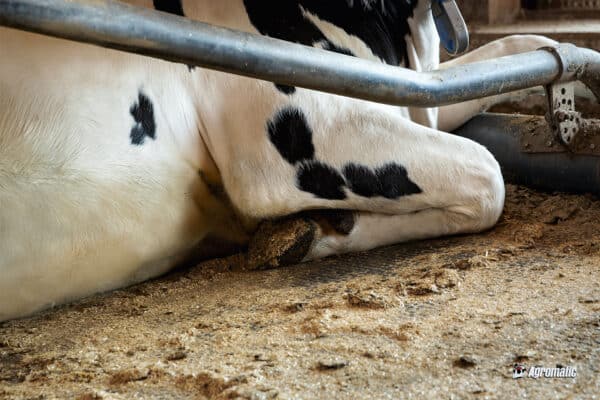
One of the most important opportunities to improve cow comfort is the place where a cow lies down, rests, and gets back on her feet.
A comfortable lying surface provides cushioning beneath the animal while supporting natural lying and rising movements.
Proper rest is an important part of dairy cow health and daily performance. Improving the lying environment can help reduce unnecessary standing and support cow comfort throughout the lactation cycle.
Agromatic Flooring Solutions:
Agromatic offers several KRAIBURG stall mat systems designed for different bedding styles, budgets, and facility configurations.
KRAIBURG KKM dairy cow stall mats feature a cushioned honeycomb underside and textured surface to provide comfort and footing in freestalls and tie stalls.
For freestall applications requiring additional cushioning, KRAIBURG WINGFLEX thick rubber stall mats use a flexible wing-profile design that adapts to the lying cow while providing support when rising.
Stall flooring also works best as part of a complete cow-comfort system.
The Agromatic RELAX flexible freestall system uses flexible dividers and a floating control rail to help guide cow positioning and support more natural lying and rising movements.
Combining the right stall mat with appropriate divider design can help producers create a more inviting resting environment.
Maintenance Tip: Rubber stall mats are not a substitute for good bedding management. Maintain clean, dry bedding, groom stalls regularly, and address drainage or chronic wetness to protect cow comfort and hygiene.
5. Special-Needs Areas: Supporting Maternity, Fresh and Hospital Cows

Maternity pens, fresh-cow areas, and hospital pens require special attention because the animals using them may have greater mobility and recovery needs.
These cows may spend more time lying down, move cautiously, or need additional support when standing.
Providing comfortable, dependable footing is particularly important in areas where cows are calving or recovering.
Rubber flooring designed specifically for these environments can offer both cushioning and a surface suited to regular cleaning.
Agromatic Flooring Solutions:
KRAIBURG SIESTA calving pen rubber mats feature an air-cushion-like underside and four-sided interlocking edges. They are designed to provide a comfortable, slip-resistant surface in calving and other special-needs areas.
For producers seeking a cushioned mattress-style system, KRAIBURG VITA three-layer calving pen rubber combines rubber and foam layers with a continuous top covering designed to simplify cleaning and support pen hygiene.
Both systems offer purpose-built alternatives to bare concrete in areas where cow comfort and cleanliness are especially important.
Maintenance Tip: Follow appropriate cleaning and disinfection procedures between animals. Use dedicated cleaning tools for maternity and hospital areas where practical, rinse away cleaning residues, and manage moisture with bedding and drainage. Always follow the flooring manufacturer's cleaning recommendations.
Keep Rubber Flooring Working: A Simple Maintenance Routine
Even high-quality rubber flooring needs consistent maintenance.
Rubber cannot provide its intended traction when grooves are packed with manure or a surface is covered with slippery residue.
A practical maintenance program doesn't need to be complicated. It needs to be consistent.
Daily Maintenance
- Scrape or flush alleys and holding areas according to the barn's cleaning schedule.
- Remove manure and feed buildup from corners, edges, and high-traffic areas.
- Minimize standing water and check drainage trouble spots.
- Groom stalls and maintain dry bedding.
Weekly Inspections
- Check high-traffic flooring for wear, movement, or damaged edges.
- Inspect seams, transitions, and areas around gates and posts.
- Watch cow movement for hesitation, slipping, or unusual turning behavior.
Monthly or Quarterly Maintenance
- Schedule deeper cleaning where buildup persists, following the flooring manufacturer's instructions.
- Review recurring wet or slippery areas.
- Inspect flooring attachment points and cleaning-equipment compatibility.
- Evaluate whether changes to cleaning frequency or drainage are needed.
Remember, the best flooring is only as effective as the way it is maintained.
Where to Start With Flooring Upgrades
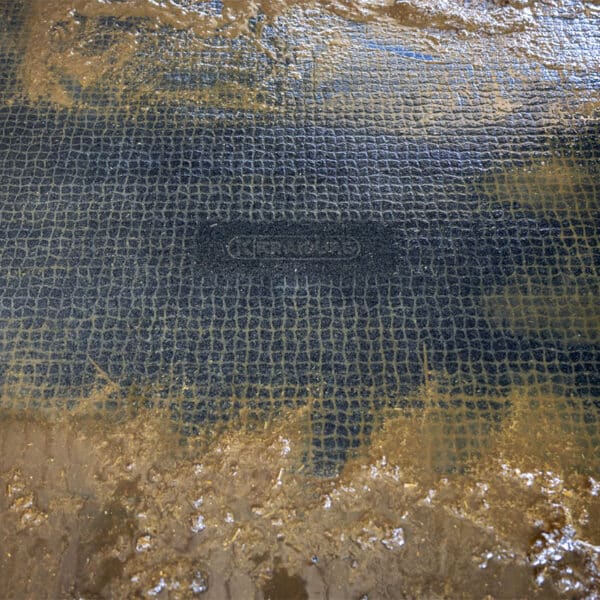
A better approach is to identify the areas where improved footing and cushioning could have the greatest impact on daily cow movement and comfort.
Start by looking at:
- Where cows stand for the longest periods.
- Where slipping, hesitation, or awkward turns are most common.
- Which surfaces experience the heaviest traffic.
- Where manure, water, and feed create recurring traction problems.
- Where additional lying comfort may benefit cows.
Then consider the flooring requirements of each area.
Interlocking rubber mats, rolled rubber belting, cushioned stall mats, and specialty calving pen surfaces serve different purposes. The best choice depends on the existing floor, drainage, cleaning equipment, cow traffic, and facility layout.
Agromatic can help producers compare their options using the KRAIBURG rubber product matrix and DairyGrip flooring solutions.
Frequently Asked Questions About Dairy Barn Rubber Flooring
Q: Where should rubber flooring be installed first in a dairy barn?
A: Holding pens, parlor entrances and exits, and high-traffic crossovers are often good starting points because cows spend considerable time standing or making frequent directional changes in these areas. However, the best starting point depends on your barn's current footing and cow movement challenges.
Q: Can rubber flooring be used with automated alley scrapers?
A: Yes, certain rubber flooring systems are designed for use with alley scrapers. KRAIBURG KURA, KRAIBURG Cirrus, and DairyGrip are options to evaluate. Compatibility, scraper settings, installation, and maintenance requirements should be confirmed for each application.
Q: Do dairy cow stall mats eliminate the need for bedding?
A: No. Rubber stall mats provide cushioning and support beneath cows, but appropriate bedding and routine stall maintenance remain important for cleanliness, moisture management, and comfort. Bedding requirements depend on the flooring system and stall design.
The Bottom Line: It's About Cow Comfort
The right rubber flooring can make a difference in how confidently cows move, how comfortably they stand, and how easily they settle into their stalls.
From holding pens and feed alleys to crossovers, lying areas, and maternity pens, selecting flooring that fits the application is an important part of building a comfortable and efficient dairy facility.
KRAIBURG rubber flooring and DairyGrip Rubber Floor Belting provide options for addressing these needs throughout the barn.
But the investment doesn't stop with installation. Regular cleaning, effective drainage, and routine inspections help keep rubber flooring performing as intended.
Ready to improve cow comfort in your dairy barn?
Agromatic Inc. can help you evaluate KRAIBURG cattle mats, DairyGrip rubber floor belting, and related cow-comfort solutions for your operation.
Request a Flooring Quote or Talk With Agromatic
Or call (800) 800-5824 to discuss your facility.